Dengue fever: What to know and do
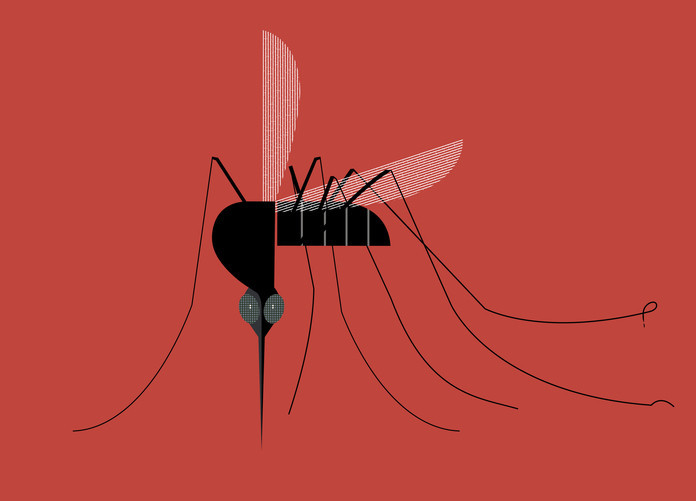
Mosquitoes are not just a buzzing summertime nuisance; they can carry serious diseases like West Nile virus, malaria, and Zika. In recent months. The US has seen unusual spike in the mosquito-borne illness dengue fever. Also known breakbone fever.
What is dengue, and where is it occurring in the US? How does it spread? And what steps can you take to protect against this and other mosquito-borne illnesses?
What is dengue and what its symptoms?
Dengue is a viral disease caused by any of four closely-related viruses. dengue virus 1, 2, 3, and 4. Not everyone infected with dengue will become sick: only about one in four will experience symptoms that range from minimal discomfort to serious problems. A blood test is use to confirm the diagnosis.
They tend to feel like the flu. The onset of feeling unwell usually begin within two to three days of being bitten infecte mosquito. Can take up to six to nine days, says Dr. Edward Ryan. Director of global infectious diseases at Harvard-affiliate Massachusetts General Hospital.
Seek medical advice if you have recently travele to an area with a risk of dengue and have a fever (101° F or higher) combined with any of these symptoms:
- aches and pains (often headache or pain behind the eye or in muscles, joints, or bones)
- nausea and vomiting
- a rash (faint red blotches).
About one in 20 people who gets sick will develop severe dengue.
Which requires emergency สมัคร ufabet กับเรา รับโบนัสทันที care. Those at an increased risk for severe dengue include infants a year or younger, pregnant women, adults ages 65 years or older, and those with previous dengue infections.
Symptoms of severe dengue require immediate medical care.
- feeling very weak and lightheaded from low blood pressure
- bleeding from the nose or gums
- stomach swelling
- vomiting
- extreme fatigue.